What Activities Can I Do While Camping?
Camping is more than just pitching a tent and sleeping under the stars—it’s an opportunity to immerse yourself in nature and try new experiences. Whether you’re at a forested campground, a lakeside retreat, or a remote backcountry site, there’s no shortage of activities to keep you entertained. From classic pursuits like hiking and fishing to creative options like campfire games and stargazing, this guide lists a variety of activities tailored to different locations and interests. Here’s how to make your camping trip unforgettable with adventures that suit your surroundings.
1. Hiking and Nature Walks
Hiking is a camping staple, offering exercise, exploration, and a chance to connect with the landscape. Most campgrounds have trails nearby, ranging from easy strolls to challenging treks.
Why It’s Great. Hiking lets you discover hidden gems—waterfalls, vistas, or wildlife—while burning energy and boosting mood. Trails often vary by location: coastal campgrounds like Acadia National Park offer rocky shore paths, while mountain sites like Rocky Mountain National Park boast alpine routes.
How to Do It. Check trail maps at the campground office or online (AllTrails or Gaia GPS are reliable apps). Choose a trail matching your group’s fitness level—short loops (1-3 miles) for beginners, longer ones (5-10 miles) for seasoned hikers. Wear sturdy shoes, pack water (1 liter per person for a half-day), and bring snacks like trail mix.
Location Tips. In desert areas like Joshua Tree, hike early to avoid heat; in forests like the Smokies, watch for muddy trails after rain. Look for ranger-led hikes at national parks for educational insights on flora, fauna, or geology.
Pro Tip. Turn hikes into scavenger hunts for kids—spot animal tracks, colorful leaves, or specific birds. Binoculars or a field guide (like Audubon’s apps) enhance wildlife spotting for all ages.
2. Fishing
If your campsite is near a lake, river, or coast, fishing can be a relaxing or exciting way to spend time, with the bonus of a potential meal.
Why It’s Great. Fishing combines patience with skill, offering a meditative break or a thrill when you hook a catch. Freshwater spots yield bass or trout; coastal areas might net you flounder or mackerel.
How to Do It. Research local fishing regulations—most areas require a license (available online or at bait shops). Basic gear includes a rod, reel, line, hooks, and bait (worms, minnows, or lures). Fly-fishing is ideal for fast-moving rivers, while casting from a dock works for lakes. Practice catch-and-release unless you’re confident in cleaning and cooking fish safely.
Location Tips**: Lakeside campgrounds like those at Yellowstone are trout havens; rivers in the Pacific Northwest teem with salmon. Coastal sites, like Assateague Island, offer surf fishing. Always check for seasonal restrictions or protected species.
Pro Tip. Bring a small tackle box and a net for easier handling. For kids, use barbless hooks to minimize injury, and let them reel in small fish for instant gratification.
3. Stargazing
Camping offers a front-row seat to the night sky, far from city lights that obscure stars. Stargazing is accessible to all and requires minimal gear.
Why It’s Great. Dark-sky locations reveal constellations, planets, and even the Milky Way, sparking wonder and curiosity. It’s a low-effort activity that suits any campsite, from deserts to mountains.
How to Do It. Pick a clear night and find an open area away from trees or campfire glare. Lie on a blanket or use a reclining camp chair for comfort. A star chart or app (SkyView, Stellarium) helps identify constellations like Orion or planets like Jupiter. Red-filtered flashlights preserve night vision.
Location Tips**: Desert campgrounds like Death Valley are stargazing meccas due to low humidity and minimal light pollution. Forested sites work too, but seek clearings. Check for meteor showers (Perseids in August are a highlight) on astronomy sites like SpaceWeather.com.
Pro Tip. Bring a telescope or binoculars for a closer look at craters on the moon or Saturn’s rings. Share myths about constellations (e.g., Cassiopeia’s vanity) to engage kids or spark conversation.
4. Kayaking and Canoeing
Water-based activities like kayaking or canoeing are perfect for campsites near lakes, rivers, or calm coastal waters, blending adventure with scenery.
Why It’s Great**: Paddling lets you explore hard-to-reach coves, islands, or wildlife habitats. It’s a full-body workout that feels like play, suitable for solo trips or group outings.
How to Do It. Rent kayaks or canoes at campgrounds with outfitters (common at places like Lake Tahoe or the Boundary Waters). If bringing your own, ensure it’s suited to the water—sit-on-top kayaks for calm lakes, whitewater models for rivers. Wear life jackets (mandatory for kids), and pack dry bags for gear. Start with short paddles (1-2 hours) to avoid fatigue.
Location Tips. Flatwater lakes like those in Minnesota’s Voyageurs National Park are beginner-friendly. Rivers like the Colorado offer gentle floats or thrilling rapids, depending on the section. Coastal sites (e.g., Olympic National Park) require tide awareness—check charts to avoid strong currents.
Pro Tip. Paddle at dawn or dusk for wildlife sightings—beavers, herons, or otters are active then. Teach kids basic strokes (forward, sweep) to build confidence, and always stay within sight of shore for safety.
5. Campfire Games and Storytelling
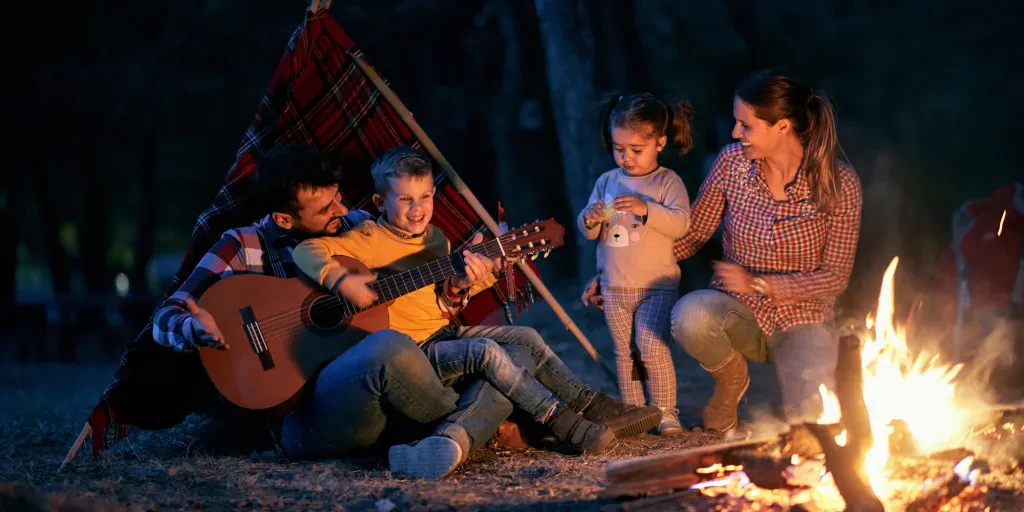
A campfire is the heart of many camping trips, and games or stories around it create lasting memories, no matter the location.
Why It’s Great. Campfire activities are low-cost, inclusive, and adaptable, fostering connection without needing special skills. They shine on chilly nights or when everyone’s winding down.
How to Do It Try games like “20 Questions” (guess a camping-related object) or “Telephone” (whisper a story around the circle). For storytelling, start a group tale where each person adds a line, or share spooky (but not too scary) classics like “The Hook.” Roast marshmallows for s’mores to keep hands busy—graham crackers, chocolate, and a stick are all you need.
Location Tips. Campfire games work anywhere with a fire pit, but check regulations—dry areas like California’s Sierra Nevada often ban fires in summer. If fires aren’t allowed, use a lantern or glow sticks for ambiance and play card games like Uno instead.
Pro Tip. Teach fire safety first—keep kids 3-5 feet from flames and never leave the fire unattended. Bring a portable speaker for soft music if stories run dry, but keep it low to respect neighbors.
6. Wildlife Watching
Observing animals in their natural habitat adds excitement to any camping trip, whether you’re spotting birds, deer, or elusive predators.
Why It’s Great. Wildlife watching sharpens observation skills and deepens appreciation for ecosystems. It’s thrilling to see a fox dart by or hear an owl hoot, and it’s educational for all ages.
How to Do It. Bring binoculars and a field guide (Peterson or Sibley for birds, National Geographic for mammals). Dawn and dusk are prime times—stay quiet and move slowly. Look for signs like tracks, scat, or chewed plants. Keep a safe distance—100 yards for bears or moose, 25 yards for deer or foxes, per National Park Service guidelines.
Location Tips. Forested areas like Shenandoah are great for deer and songbirds; wetlands like the Everglades teem with alligators and herons. Mountain sites (e.g., Grand Teton) might yield elk or marmots. Coastal campgrounds offer seal or whale sightings—check migration schedules for humpbacks.
Pro Tip. Use a notebook to log sightings or sketch animals, turning it into a keepsake. Avoid feeding wildlife—it’s dangerous and illegal in many parks. Apps like Merlin Bird ID help identify calls on the spot.
7. Photography and Nature Journaling
Capturing the beauty of your surroundings through photos or journaling is a creative outlet that enhances mindfulness and preserves memories.
Why It’s Great. Photography encourages you to notice details—sunset colors, dew on leaves—while journaling lets you reflect or sketch. Both are portable and suit any skill level.
How to Do It**: Use a smartphone or DSLR for photos, focusing on landscapes, macro shots (insects, flowers), or candid group moments. For journaling, pack a notebook and pens; sketch trees, write about sounds, or note weather. Watercolors or colored pencils add flair if you’re artsy.
Location Tips. Deserts like Arches offer stark, dramatic vistas for photos; lush forests like Olympic inspire detailed sketches of moss or ferns. Lakes reflect light beautifully at golden hour (dawn/dusk). Coastal sites give dynamic wave or tidepool shots.
Pro Tip. Try time-lapses of clouds or stars with a tripod. For kids, give disposable cameras to spark creativity without screen time. Share a group journal where everyone adds one entry daily for a collaborative memento.
8. Geocaching
Geocaching is a modern treasure hunt using GPS or a smartphone app, perfect for campers who love puzzles and exploration.
Why It’s Great. It combines tech with adventure, leading you to hidden “caches” (small containers with trinkets or logbooks). It’s a scavenger hunt that gets everyone moving and works in most environments.
How to Do It. Download the Geocaching app or visit Geocaching.com to find caches near your campsite. Follow coordinates to the cache, sign the logbook, and swap a small item (e.g., a coin for a keychain) if you take something. Respect the “leave no trace” ethic—don’t disturb the surroundings.
Location Tips. Urban-adjacent campgrounds have denser caches, but remote sites like those in the Adirondacks offer scenic hunts. Beach or forest caches might involve climbing or digging (gently). Check difficulty ratings—1-2 stars for beginners, 4-5 for experts.
Pro Tip. Bring small trinkets to trade and a pen for logging. Involve kids by letting them navigate or open caches. If signal’s weak, screenshot coordinates beforehand or use a handheld GPS.
Final Tips for Camping Activities
The best camping activities match your location, group, and vibe—whether you crave adrenaline or calm. A few pointers to maximize fun:
Check Conditions. Weather or seasonal closures (e.g., fishing bans, trail damage) can affect plans. Campground websites or ranger stations have updates.
Pack Smart. Lightweight gear (collapsible rods, compact journals) saves space. A multi-tool, duct tape, and extra batteries cover most activity needs.
Mix It Up. Balance active pursuits (hiking, kayaking) with chill ones (stargazing, storytelling) to avoid burnout, especially with mixed-age groups.
Respect Nature. Follow Leave No Trace—don’t carve trees, pick plants, or disturb wildlife. Permits or fees apply for fishing, kayaking, or backcountry hiking in many areas, so plan ahead.
Stay Safe. Tell someone your plans for hikes or paddles, carry a map/GPS, and pack first aid basics. Life jackets, helmets, or bear spray might be needed depending on the activity.
Camping activities turn a trip into an adventure, whether you’re reeling in a fish, chasing a constellation, or laughing over a campfire game. Pick a few that suit your site—a lake calls for kayaking, a clear desert sky begs for stars—and let the outdoors inspire you. You’ll leave with stories, skills, and a deeper love for nature.
---
This article covers a range of camping activities with practical details and location-specific tips. If you want me to focus on a particular type of camping (e.g., beach, mountain, family-oriented) or add more activities, just let me know!