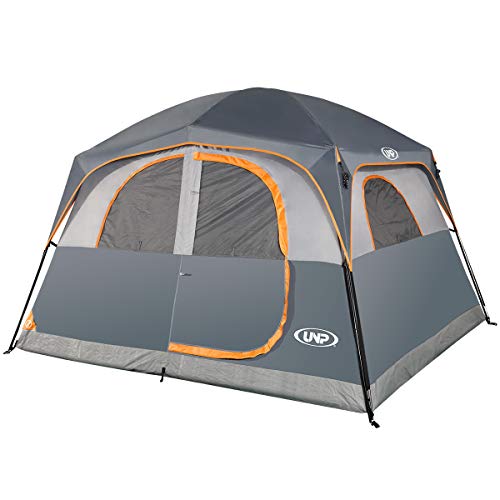
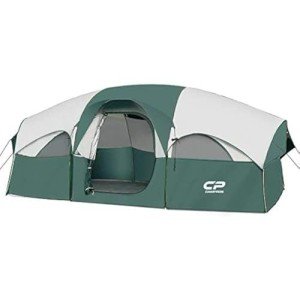
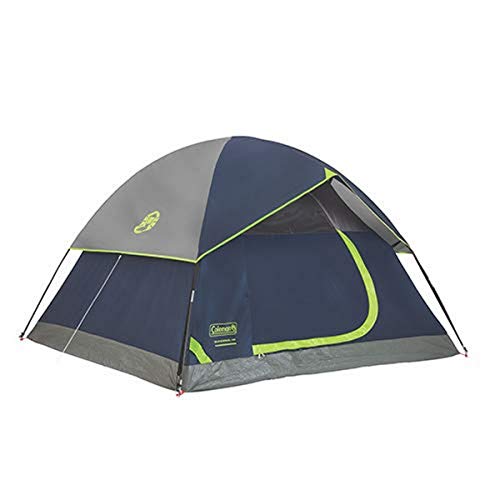
Camping offers a fantastic way to reconnect with nature, but it comes with risks that require preparation and awareness. From unpredictable weather to wildlife encounters, ensuring your safety means planning ahead and staying vigilant. This guide covers key aspects of camping safety, including wildlife encounters, weather preparedness, first aid kits, and campsite security, to help you enjoy your outdoor adventure with confidence.
1. Handling Wildlife Encounters
Wildlife can add wonder to your camping trip, but it also poses potential dangers. Knowing how to coexist safely with animals is critical.
Research Local Wildlife: Before you go, learn about animals in the area—bears, snakes, mountain lions, or even smaller critters like raccoons. Each has specific behaviors and risks. For example, black bears are common in many U.S. forests, while grizzlies are found in places like Yellowstone or Glacier National Park.
Store Food Properly**: Never leave food, trash, or scented items (like toiletries) in your tent. Use bear-proof canisters or hang food bags at least 10 feet off the ground and 4 feet from tree trunks, ideally 100 yards from your sleeping area. In bear country, cook away from your tent to avoid lingering odors.
Stay Calm During Encounters**: If you spot wildlife, keep your distance—100 yards for bears or moose, 25 yards for most others, per National Park Service guidelines. For bears, speak calmly, wave arms slowly to appear larger, and back away without turning your back. If attacked by a black bear, fight back; for grizzlies, play dead unless the attack persists.
Carry Deterrents**: Bear spray is effective for large animals when used correctly—aim low, within 20-30 feet, in short bursts. Check local regulations, as some areas restrict its use. For smaller pests, insect repellent with DEET or picaridin helps against ticks and mosquitoes.
Travel in Groups**: Noise and numbers deter animals. Solo campers are at higher risk, so stick to well-traveled areas if alone.
2. Preparing for Weather
Weather can shift quickly, especially in the wilderness. Being ready for rain, wind, cold, or heat keeps you safe and comfortable.
Check Forecasts Early**: Use reliable sources like NOAA or AccuWeather to monitor conditions for your camping area up to a week in advance. Mountain or coastal regions can have microclimates, so cross-reference local ranger reports if possible.
Pack for Variability**: Layered clothing—moisture-wicking base layers, insulating mid-layers, and waterproof outer shells—handles most conditions. A quality tent with a rainfly and proper stakes is essential for rain or wind. For cold weather, choose a sleeping bag rated 10-15°F below expected lows.
Set Up Smart**: Choose a campsite away from flood-prone areas like dry riverbeds or low ground. Avoid camping under dead trees (“widowmakers”) that could fall in storms. In windy conditions, orient your tent’s narrow end into the wind to reduce resistance.
Know Emergency Signs**: Learn to recognize hypothermia (shivering, confusion), heatstroke (dizziness, no sweating), or lightning risks (sudden dark clouds, static hair). If lightning is near—count less than 30 seconds between flash and thunder—stay low, avoid open fields, and crouch on insulating material like a sleeping pad.
Have a Plan B**: Know the nearest shelter, ranger station, or evacuation route. In severe weather, breaking camp early might be safer than riding it out.
3. Building a Reliable First Aid Kit
A well-stocked first aid kit is your lifeline for injuries or medical emergencies in remote areas.
Essential Items**: Include adhesive bandages, sterile gauze, medical tape, antiseptic wipes, tweezers, scissors, and pain relievers (ibuprofen or acetaminophen). Add moleskin for blisters, a common camping issue. For allergies, carry antihistamines; for severe reactions, an epinephrine auto-injector if prescribed.
Specialized Needs**: Tailor your kit to your group. Include personal medications (e.g., inhalers), plus extras for longer trips. For areas with venomous snakes, know the location of the nearest hospital but avoid outdated treatments like cutting wounds or tourniquets.
Know Basic Skills**: Familiarize yourself with treating cuts, burns, sprains, or fractures. A compact first aid manual or app like the Red Cross First Aid app can guide you. Consider a wilderness first aid course for longer or remote trips.
Check Accessibility**: Store your kit in a waterproof container and keep it in an easy-to-reach spot, not buried in your pack. Tell your group where it is in case you’re incapacitated.
Inspect Regularly**: Before each trip, check expiration dates and restock used items. A stale kit is less effective in a crisis.
4. Securing Your Campsite
A secure campsite protects you from environmental hazards, wildlife, and, in rare cases, other people.
Choose a Safe Location**: Pick a flat, stable site away from cliffs, loose rocks, or flood zones. In bear-heavy areas, create a “triangle” setup—sleep 100 yards from cooking and food storage areas. Check for ant nests or poison ivy/oak before pitching your tent.
Lock Valuables**: While crime is rare at campsites, secure valuables like phones, wallets, or cameras in your car or a locked backpack when unattended. At night, keep essentials inside your tent but avoid food or scented items.
Fire Safety**: Build fires only in designated rings or pits, keeping them small and at least 15 feet from tents or trees. Never leave a fire unattended, and fully extinguish it with water (not dirt) until cold to the touch. Follow local fire bans, especially in dry seasons—wildfires can start easily.
Communicate Your Plans**: Tell someone your itinerary, including where you’re camping and when you’ll return. In remote areas, carry a personal locator beacon (PLB) or satellite communicator like a Garmin inReach for emergencies where cell service is absent.
Stay Aware**: At night, use a headlamp to navigate and avoid attracting attention with loud noises. If camping near others, respect quiet hours to avoid conflicts. Trust your instincts—if a site feels off, move on.
Final Tips for a Safe Camping Trip
Safety starts with preparation and ends with awareness. Before you head out:
- Take a map, compass, or GPS, and know how to use them. Cell phones can fail without signal or battery.
- Pack enough water (1 gallon per person per day) or a reliable filter for backcountry sources.
- Practice setting up your gear at home to avoid surprises in the field.
- Respect local regulations—rangers and park websites provide critical updates on closures, wildlife, or fire risks.
By anticipating wildlife behavior, preparing for weather shifts, carrying a solid first aid kit, and securing your campsite, you’ll minimize risks and maximize enjoyment. Camping is about embracing the outdoors, but it’s smart to do it safely. So pack your gear, plan wisely, and hit the trail with confidence!
---
This article provides practical, actionable advice for staying safe while camping. If you’d like me to tweak it—say, for a specific audience like families or solo campers—let me know!